The buying workbook
ERP buying checklist: from requirements to approval
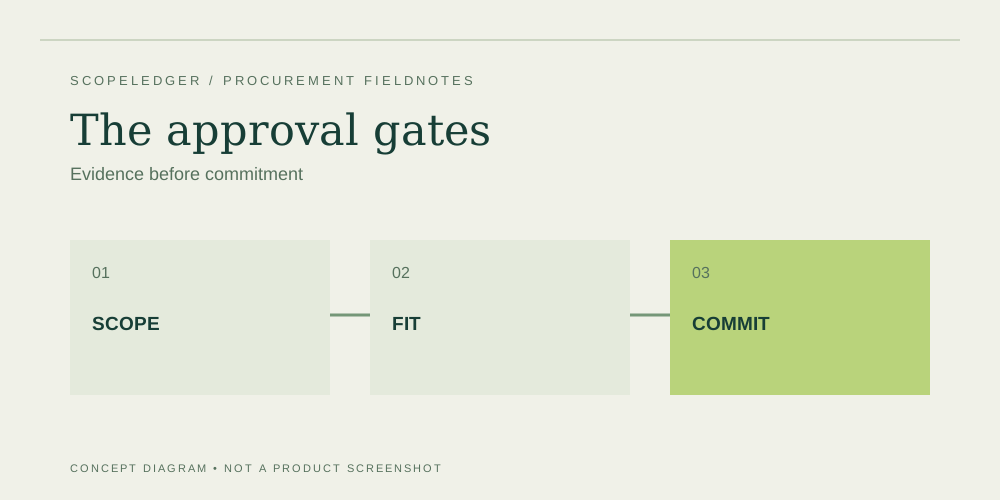
Build an evidence-led ERP buying process with a scope baseline, scripted demos, comparable quotes, acceptance tests, and clear approval gates.
Track the evidence needed before approving an ERP proposal. Progress stays in this browser.
0 / 12 completed
Check an item only when you can point to a document, a tested workflow, or an accountable owner. Completing this checklist is not a certification and does not mean a product is suitable for your organization. It is a way to organize the outstanding questions before the commercial decision.
Start with the scope group and share the unresolved questions with your finance lead, operational owners, implementation partner, and IT team. Record the evidence in your own procurement file; this tool stores only check marks locally and does not upload documents. If the buyer cannot explain an exclusion, leave the item unchecked.
For example, a quote may include migration services while excluding data cleanup. Check the migration item only after the source files, cleansing owner, reconciliation method, and retry process are agreed. A successful demonstration on clean sample data is different from a rehearsal with your own records. Reset the list when comparing a different proposal. Browser storage may be unavailable or cleared, so retain important decisions in your own records.
The buying workbook
Build an evidence-led ERP buying process with a scope baseline, scripted demos, comparable quotes, acceptance tests, and clear approval gates.
The risk register
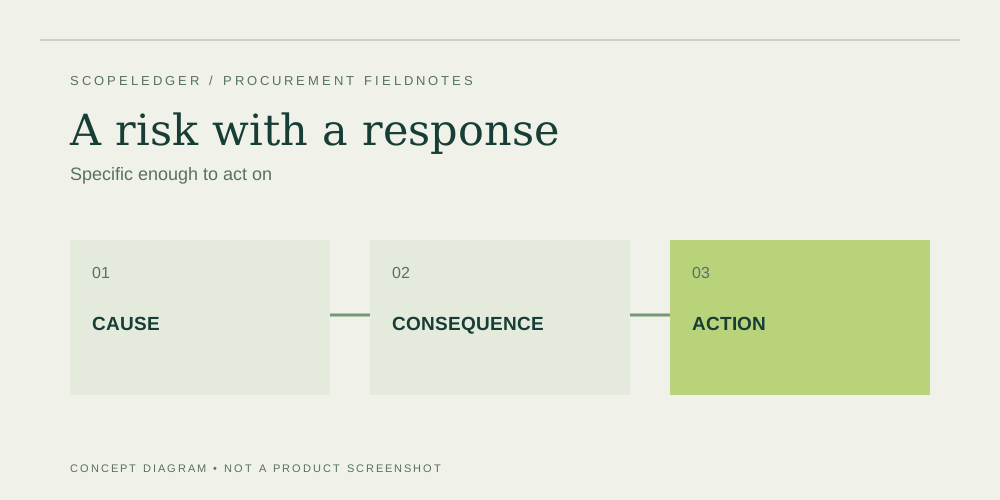
Create an ERP risk register with causes, consequences, owners, evidence, and response plans for scope, data, integrations, access, and launch.
The risk register
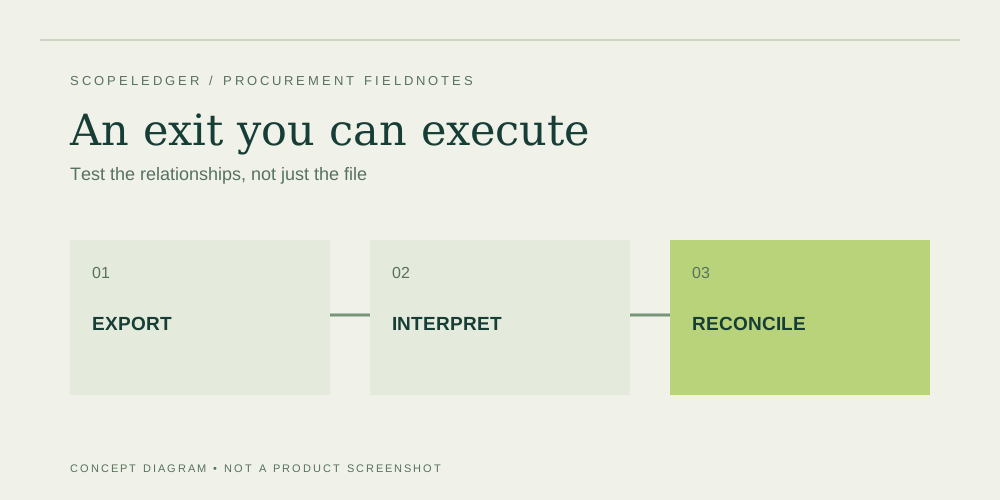
Plan ERP exit around usable records, attachments, reference keys, access windows, integration handover, and priced transition support.
The risk register
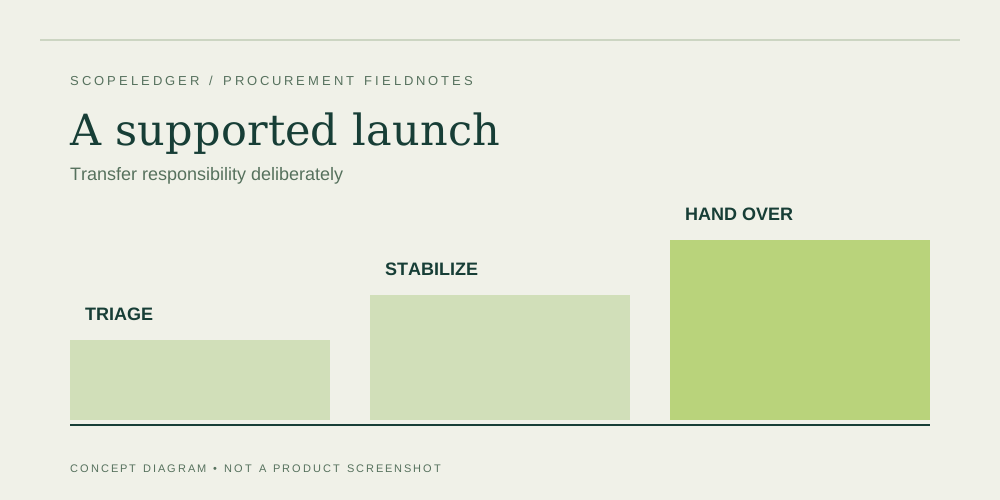
Define ERP launch support around triage, business reconciliation, access, defect handling, training gaps, and a clear handover to steady-state operations.
The risk register
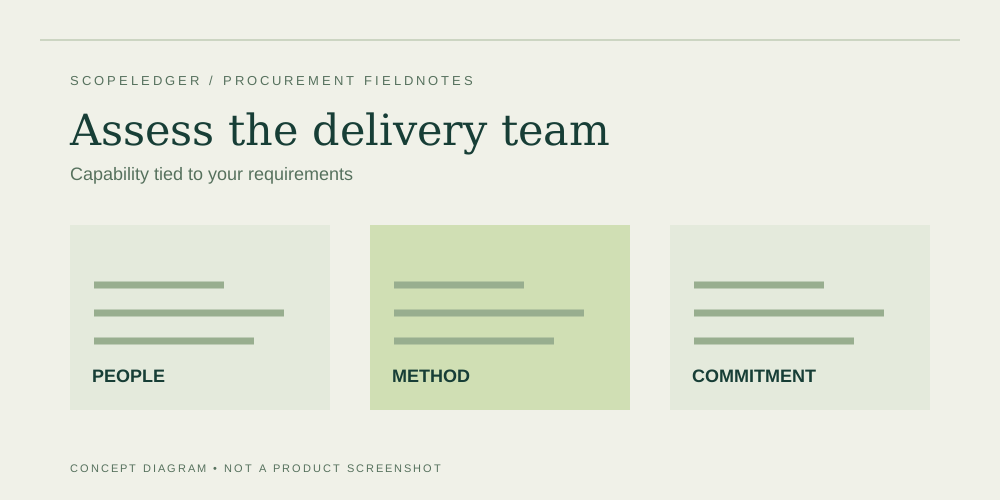
Evaluate an ERP partner using the proposed team, relevant workflow evidence, scope clarity, resource commitments, and support handover rather than broad claims.
The risk register
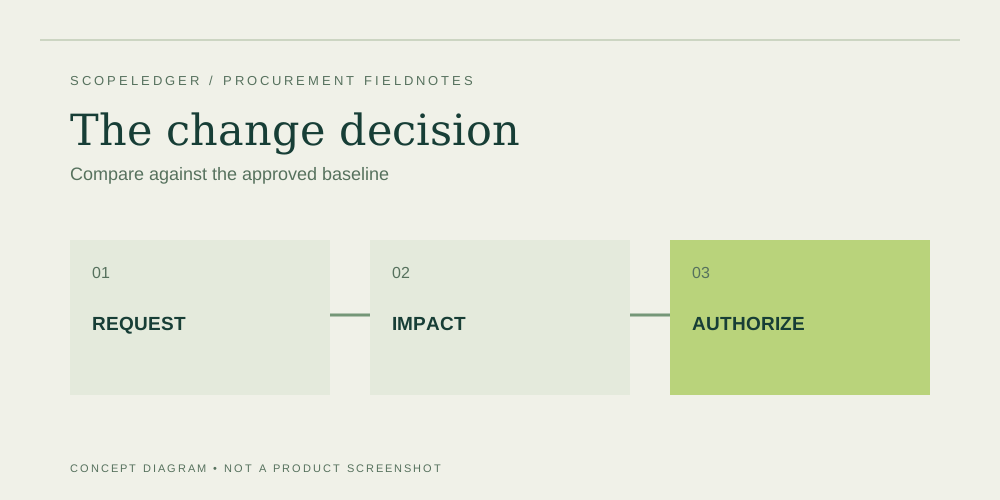
Use a clear ERP change process to distinguish defects, clarification, new requirements, and buyer dependencies before approving extra cost or delay.